Jurisdiction:
Taiwan
Organ System:
Breast
Funding Organization:
- Academia Sinica
Research Organizations:
- National Health Research Institutes, Taiwan
- Academia Sinica, Taiwan
- Kaohsiung Medical University, Taiwan.
- National Defense Medical University, Taiwan.
- National Taiwan University, Taiwan.
Principal Investigators
:- Yu-Ju Chen
- Jyh-Cherng Yu
- Sung-Liang Yu
- Hsuan-Yu Chen
Publication:
External Links:
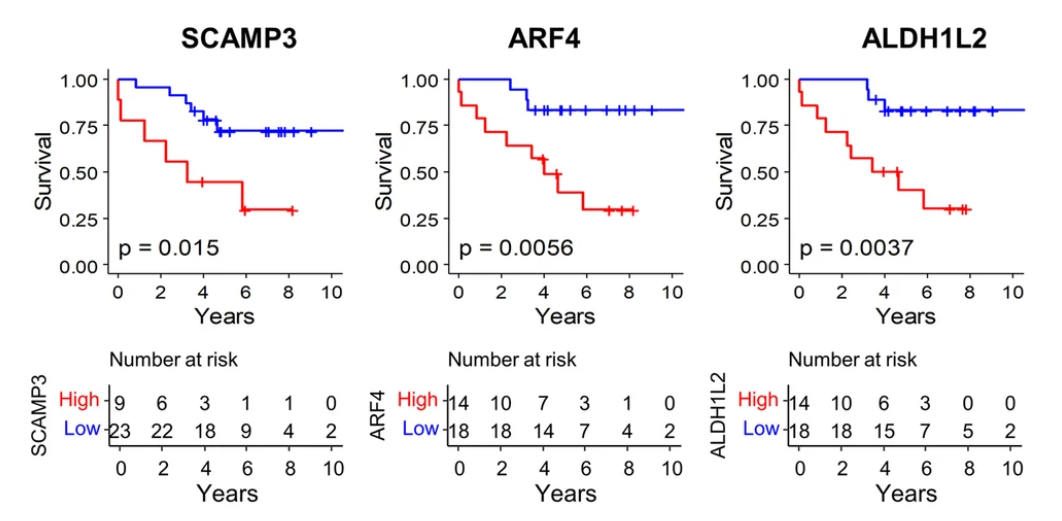
Luminal breast cancer is rising among younger East Asian women, yet predictors of early recurrence remain inadequate. We performed integrative proteogenomic profiling of 164 treatment-naïve Taiwanese patients and validated biomarkers in an independent cohort (n=270). Environmental DBAC exposure and endogenous APOBEC mutagenesis were associated with poor disease-free survival, particularly in younger patients, and defined distinct molecular vulnerabilities. DBAC-driven tumors showed ROS detoxification, DNA-damage checkpoint activation, and impaired DNA repair, whereas APOBEC-associated tumors exhibited enhanced APOBEC activity, steroid hormone biosynthesis, oncogenic signaling, and immunotherapy responsiveness. Proteomic classification identified a young DBAC-associated, chemotherapy-responsive subtype with suppressed DNA repair and a recurrence-prone subtype with co-activated ER, PI3K–AKT–mTOR, and CDK4/6/9 signaling. Selective CDK9 inhibition targeting p-POLR2A-Ser2 outperformed CDK4/6 blockade, while a four-protein panel (HDAC2, ALDH1L2, ARF4, SCAMP3) stratified high-risk recurrence patients. These findings reveal environmental and endogenous mutagenesis as drivers of luminal breast cancer heterogeneity and establish proteogenomics-guided strategies for risk stratification and precision therapy in East Asian patients.